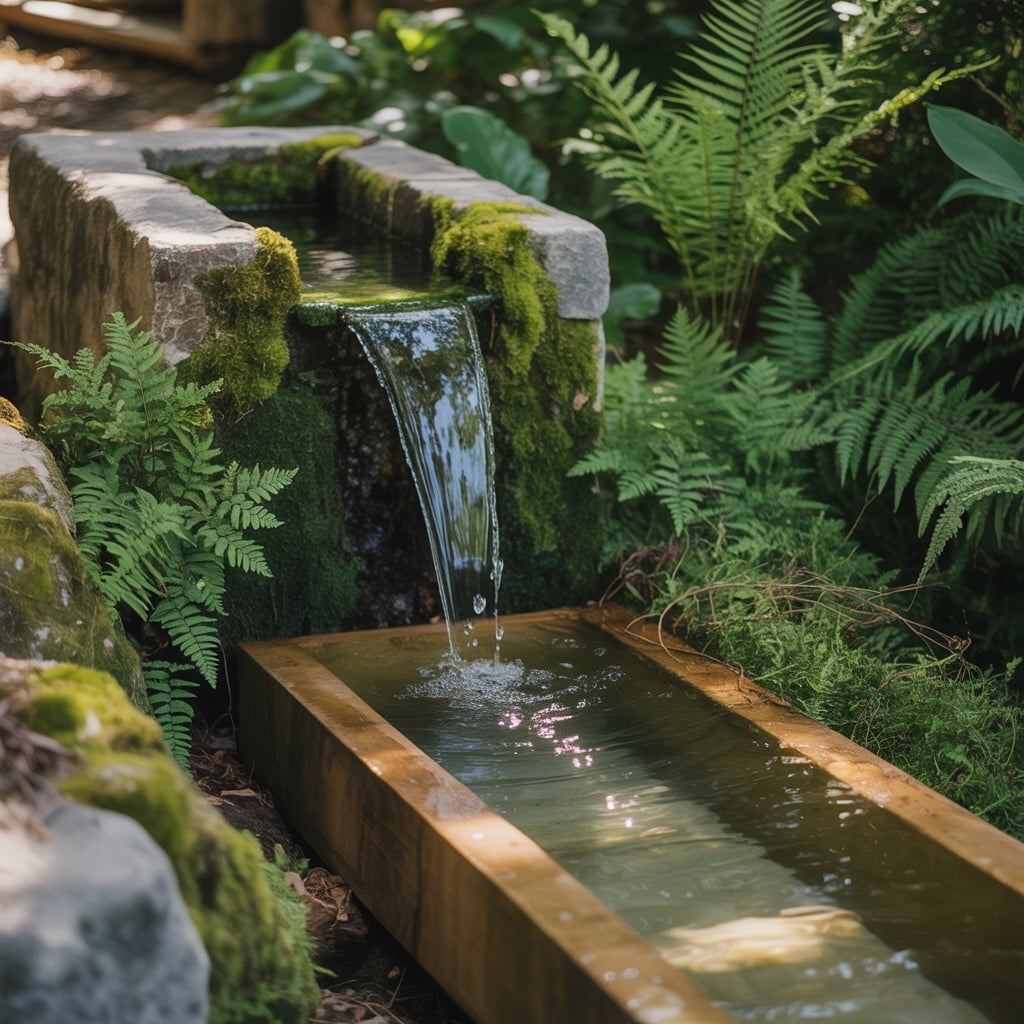
Water is the most urgent resource in any disruption. A person can go weeks without food, but only days without water. Yet most modern households store no meaningful supply, and the systems that deliver water depend on electricity, treatment plants, and infrastructure that can fail in hours.
In this pillar, you will learn to assess your current water situation, build redundant sources, and design a household system that gives you confidence - not panic - when the tap fails.
Why it matters
When supply is uncertain, water becomes the difference between calm and chaos. Securing it first removes the most pressing fear and frees you to think clearly about everything else.
What you'll learn
Topics covered in this pillar
Sourcing & Collection
Rainwater harvesting, springs, wells, and natural sources - how to identify and access them safely.
Filtration & Purification
Gravity filters, ceramic systems, boiling, distillation, and what actually makes water safe to drink.
Storage at Scale
Short-term, mid-term, and long-term storage - containers, rotation, treatment, and capacity planning.
Distribution & Use
Gravity-fed systems, hand pumps, greywater reuse, and conservation under constraint.
Off-Grid Plumbing Basics
Practical introduction to systems that work without grid power or municipal pressure.
Learn & practice
Related courses
Practical courses with step-by-step guidance for this foundation.
Take it with you
Download this pillar as a PDF
Save the full guide to read offline, print it, or share it with your family.
The deeper layer
Spiritual bridge
Throughout Scripture, water is more than a resource - it is a symbol of life, cleansing, and the soul's deepest thirst. Securing physical water is a starting point. Securing the "living water" Jesus speaks of is the deeper goal of preparation.
"Whoever drinks of the water that I shall give him will never thirst."
John 4:14
Common Questions
Frequently asked questions
Practical answers to the questions people ask most about this pillar.
A common baseline is one gallon (about 4 liters) per person per day, covering drinking and basic hygiene. For a family of four, that is roughly 12 gallons for a three-day supply and about 56 gallons for two weeks. If you can, aim for a two-week reserve and build toward a renewable source such as rainwater harvesting so you are never dependent on stored water alone.
Boiling is the simplest and most reliable method - a rolling boil for one minute kills most pathogens. Gravity-fed ceramic filters are excellent for daily use and need no power. For clear water without a filter, plain unscented household bleach (about 8 drops per gallon, stirred and left 30 minutes) is a proven backup. We teach all three so you always have a method that fits your situation.
Commercially sealed water can be stored for years. Water you bottle yourself in clean, food-grade containers stays safe for about six months to a year when kept cool, dark, and sealed. Rotating your supply every six months keeps it fresh. Adding a proper storage treatment extends this further - we cover exact rotation schedules in the Water pillar.
Yes, rainwater is one of the most accessible renewable sources, but it should be filtered and purified before drinking since it can pick up contaminants from roofs and the air. With a simple first-flush diverter, storage tank, and filtration step, harvested rainwater becomes a dependable supply for your household. It is a wonderful picture of provision - receiving what heaven freely gives and stewarding it wisely.
Your outcome
What you'll walk away with
You will leave this pillar with a written water plan for your household, a clear list of next steps, and the calm confidence of knowing your most basic need is covered.
Need guidance?
Get personal help
Whether you need expert coaching or quick answers, we are here for you.