How to Know If Your Food Is GMO and Pesticide Free
It is a gift to be able to care about the food we bring to our tables. For many Christian families, that concern is not driven by fear, but by stewardship: wanting to nourish our households well, use our resources wisely, and make thoughtful choices with what God has provided.
The encouraging news is that you do not need to know everything at once. A few steady habits can help you make clearer choices at the grocery store, at the market, and in your own garden. Whether your goal is cleaner meals, better ingredients, or stronger preparedness, learning how to identify food that is likely GMO and pesticide-free is a practical step forward.
What GMO Really Means
GMO stands for genetically modified organism. In food, it usually means a crop whose genetics were altered to express a desired trait, such as herbicide tolerance or pest resistance. Common GMO crops include corn, soy, canola, sugar beets, and some types of cottonseed oil.
Not every processed food contains GMO ingredients, but many do if they are built from those crops. That is why reading labels matters. A package may look simple, yet still contain corn syrup, soy lecithin, or canola oil made from GMO sources.
How to Tell If Food Is Likely GMO-Free
There is no perfect shortcut, but there are reliable clues. Start with the least processed foods and work outward from there.
Look for trusted labeling
Some packages use Non-GMO Project Verified labeling or similar third-party certifications. These can help, though they do not automatically mean pesticide-free. They are a useful signal if avoiding GMO ingredients is your goal.
You may also see organic labels. In many countries, certified organic food is not allowed to use most GMO ingredients. If you want a practical first step, organic is often the simplest place to begin.
Check the ingredient list
If you are buying packaged food, scan for common GMO-linked ingredients:
- Corn syrup
- High-fructose corn syrup
- Soy protein
- Soy lecithin
- Canola oil
- Beet sugar or sugar from sugar beets
- Cottonseed oil
If these appear, the food may not be GMO-free unless the brand specifically states otherwise. Whole foods are easier to evaluate because an apple is an apple, and carrots are carrots.
Choose whole, recognizable foods
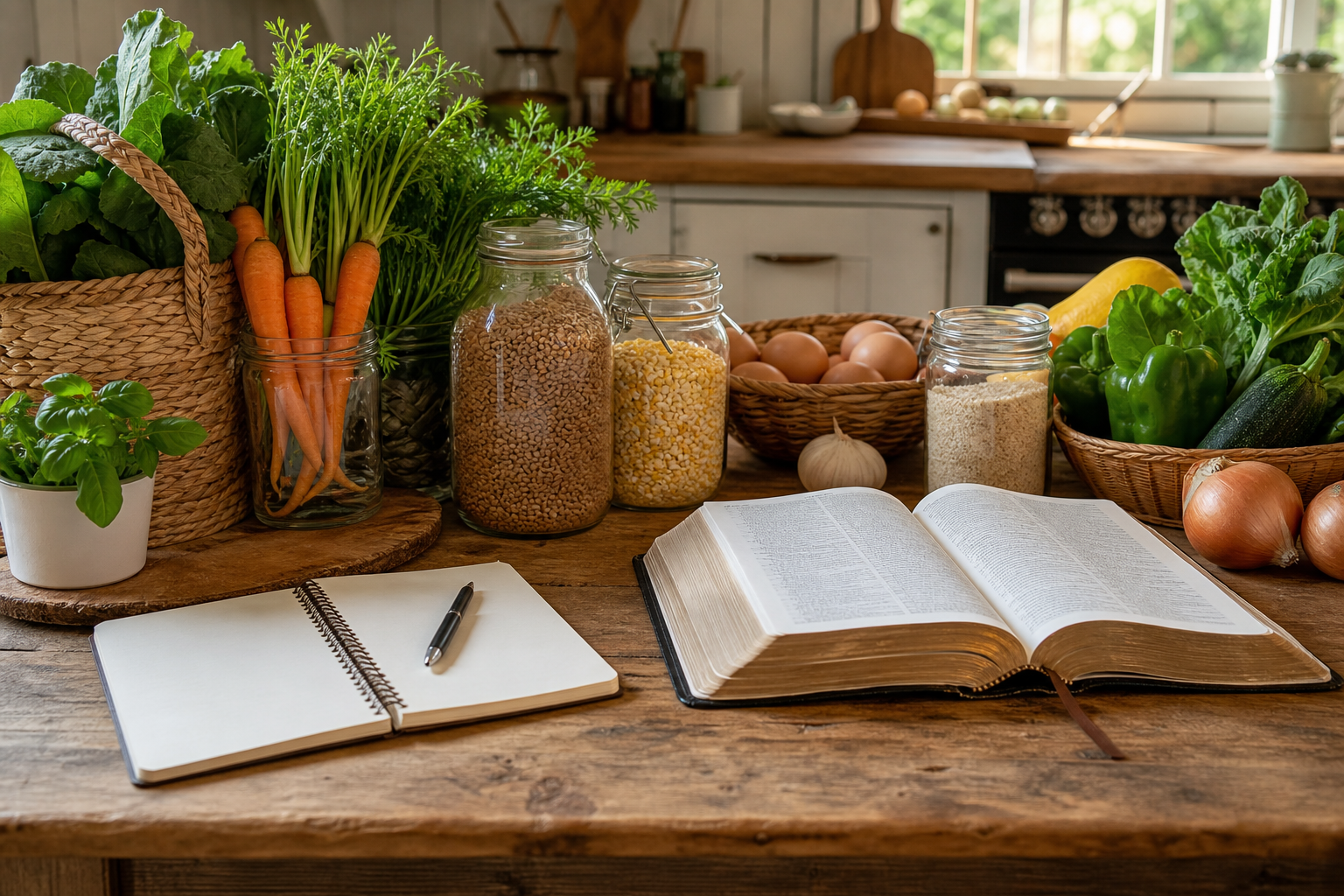
The fewer steps between the farm and your table, the easier it is to know what you are eating. Fresh vegetables, eggs, dried beans, rice, oats, and meat from a known source are usually simpler choices than ultra-processed products.
How to Tell If Food Is Pesticide-Free
This is where things become a little more nuanced. A food can be GMO-free and still be grown with pesticides. Likewise, some crops are sprayed more heavily than others. If you want to reduce pesticide exposure, it helps to think in layers and choose wisely where it matters most.
Organic is the clearest signal
Certified organic food generally limits synthetic pesticide use and follows specific production rules. It is not the same as “no spray ever,” but it is one of the strongest labels for people seeking lower pesticide exposure.
For many households, a balanced approach works best: buy organic for the foods you eat often or those with thin skins, and choose conventional for items where the peel is removed or the budget is tight.
Use the “wash and peel” approach
When organic is not available, practical kitchen habits still help:
- Rinse produce under running water
- Use a clean produce brush for firm-skinned items
- Peel where appropriate, especially for apples, cucumbers, and root vegetables
- Remove outer leaves from lettuce, cabbage, and similar produce
These steps do not remove every residue, but they are simple and worthwhile.
Know which foods tend to matter most
Without obsessing over lists, focus first on the foods your family eats the most. If your children eat apples daily, that matters more than an occasional serving of a treated crop. If your pantry is built around corn-based snacks and soy-based processed foods, that is a bigger place to start than with a single bag of salad greens.
What the Upcoming GMO Identifier App Could Help With
As technology continues to improve, many shoppers are hoping for tools that make food choices easier in real time. An upcoming GMO Identifier App may help users scan products, check ingredients, and quickly flag items that are more likely to contain GMO-linked inputs. Used wisely, a tool like that could save time at the store and make label reading less overwhelming.
That said, no app replaces discernment. The best use of any digital helper is to support, not replace, careful shopping habits. Pair technology with the basics: read the ingredient list, look for trusted certifications, and ask questions when you need clarity. A helpful app may become a practical companion, especially for busy families trying to build a cleaner pantry one trip at a time.
Questions to Ask at the Store or Market
One of the most overlooked preparedness skills is learning to ask good questions. Farmers, local grocers, and market vendors are often willing to explain how food was grown or raised.
- Was this crop grown from GMO seed?
- Was it treated with synthetic pesticides or herbicides?
- Is it certified organic or grown using regenerative methods?
- Do you spray before harvest?
- Can you tell me what inputs you use during the growing season?
If you are buying meat, eggs, or dairy, ask about feed. Animals raised on GMO feed are not the same thing as GMO meat, but feed choices still matter to many families trying to keep their pantry as clean as possible.
What About NGT-1?
You may have seen the term NGT-1 and wondered how it fits into all of this. In simple terms, it refers to a newer category of plant breeding or gene-editing approaches discussed in some regulatory systems. The labeling and oversight can vary by region, and the rules are still evolving in many places.
For consumers, the practical takeaway is this: do not assume that a food is automatically simple just because it is described as “new breeding technology” or something similar. When in doubt, return to the basics: ask questions, check certifications, and prioritize whole foods from sources you trust.
Build a Cleaner Pantry Without Burning Out
You do not need to replace everything at once. A calm, steady plan usually works better than a rushed overhaul.
- Start with your family’s top 10 most-used foods
- Swap processed items for simpler ingredients when possible
- Buy organic for produce with heavier spray exposure when budget allows
- Support local growers who are transparent about methods
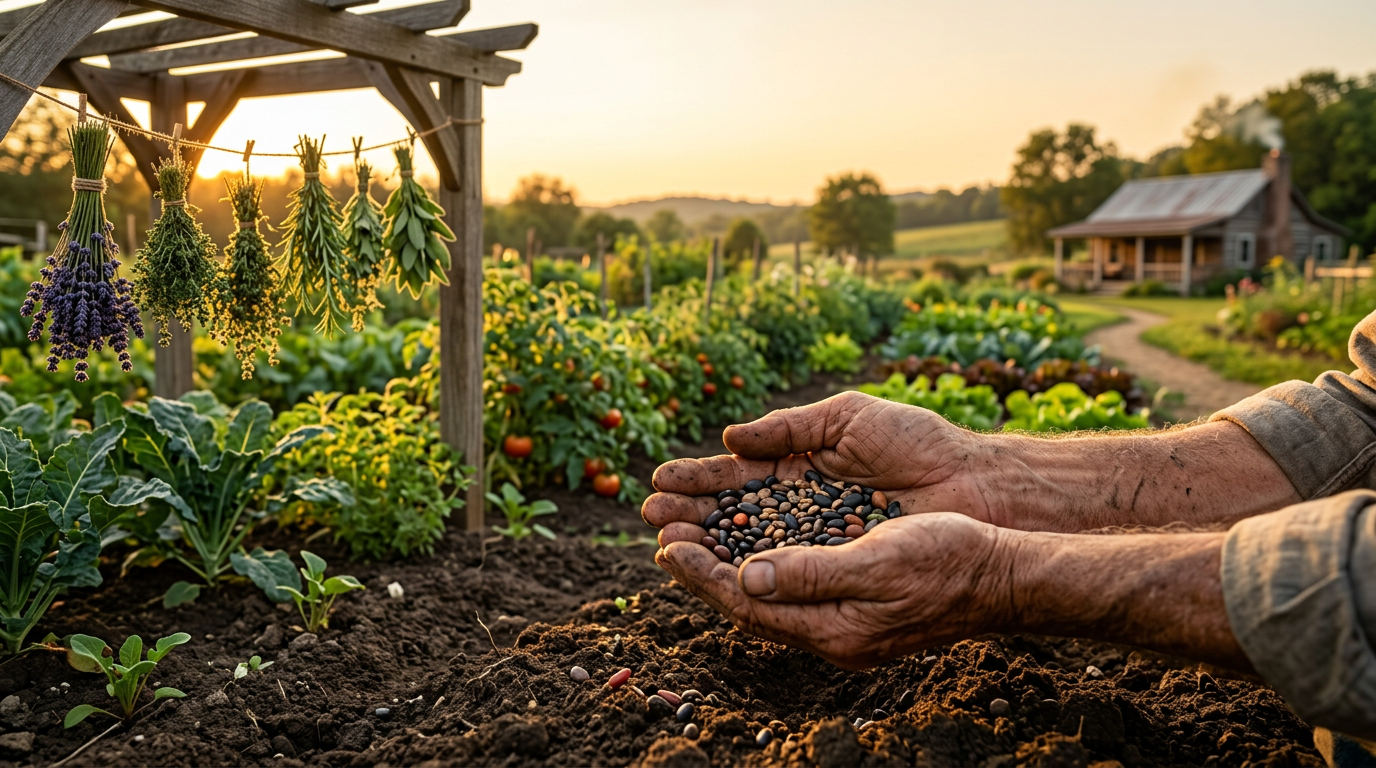
- Grow a small garden so you can control more of your food supply
Even a modest herb bed, a few tomato plants, or a container garden can increase confidence and reduce dependence on outside systems. That is preparedness in a very practical sense.
A Faithful Approach to Food Choices
Preparedness is not about fear. It is about wise stewardship, thoughtful planning, and caring well for the people entrusted to us.
Food decisions can feel overwhelming, but they become easier when grounded in simple priorities: feed your household well, learn what you can, and make the next right choice. Small steps add up. Over time, you can build a food supply that is cleaner, stronger, and more resilient.
If you want more help with practical, faith-centered food planning, gardening, and homestead habits, explore Prepared for the Storm. Our academy is here to help you grow confidence in every season.
Share this article
Ready to go deeper?
Join the academy and follow a structured path across all five pillars of preparedness.